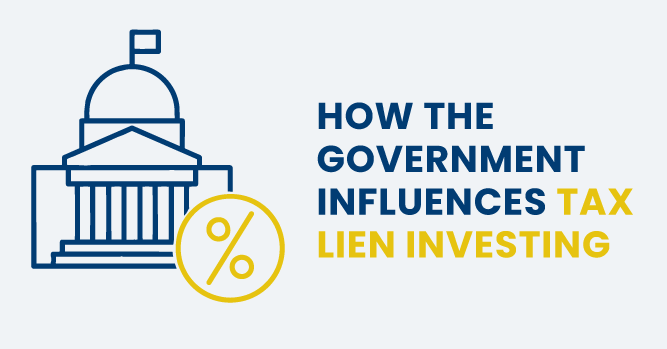
Tax lien investing doesn't exist in a vacuum. Every opportunity, every interest rate, every redemption timeline gets shaped by government decisions made at the state and county level. Understanding how policy influences your investments helps you anticipate changes and adapt before they impact your returns.
State Laws Set the Foundation
Each state determines whether tax liens, tax deeds, or a hybrid system will be used. They set maximum interest rates, define redemption periods, and establish foreclosure procedures. These aren't minor details. They're the rules of the game.
Florida offers different opportunities than Arizona, which looks nothing like Illinois. If you're investing across state lines, you're operating under completely different legal frameworks in each location.
Local Budgets Drive Auction Volume
When county budgets tighten, tax collection becomes more aggressive. More properties end up on auction lists, and redemption enforcement gets stricter. During economic downturns or periods of declining property values, lien volume often increases as homeowners struggle to keep up with payments.
Conversely, when local economies strengthen and property values rise, fewer properties go delinquent. Auction lists shrink, competition intensifies, and yields may compress.
Interest Rate Caps Limit Returns
Some states cap the interest rate liens can earn, regardless of market conditions. Others allow competitive bidding to drive rates down. A few states use penalty systems that add fees on top of interest.
These caps directly affect your potential ROI. A state with an 18% cap offers different opportunities than one capped at 10%. Know the ceiling before you commit capital.
Policy Changes Can Shift the Landscape
Redemption periods can be extended during crises. Interest caps can be adjusted. New investor protections or restrictions can be introduced with little warning. Staying informed about legislative changes in your target states helps you avoid surprises and capitalize on new opportunities as they emerge.
Policy shapes profit. Know who's writing your rules, and you'll make smarter decisions about where and how to invest.
This blog post is for informational purposes only and should not be relied upon as financial or investment advice. Real estate investments carry risk, and individual results will vary. Always consult with your team of professionals before making investment decisions. The authors and distributors of this material are not liable for any losses or damages that may occur as a result of relying on this information.